
Imagine waking up, checking your Fitbit, and instead of just seeing how many hours you slept, it tells you: “You may be on track for burnout. Let’s adjust your week and fit in recovery time.” That’s not sci-fi—it’s the future Google is promising with its AI push into health tech.
From Step Counter to AI Health Coach
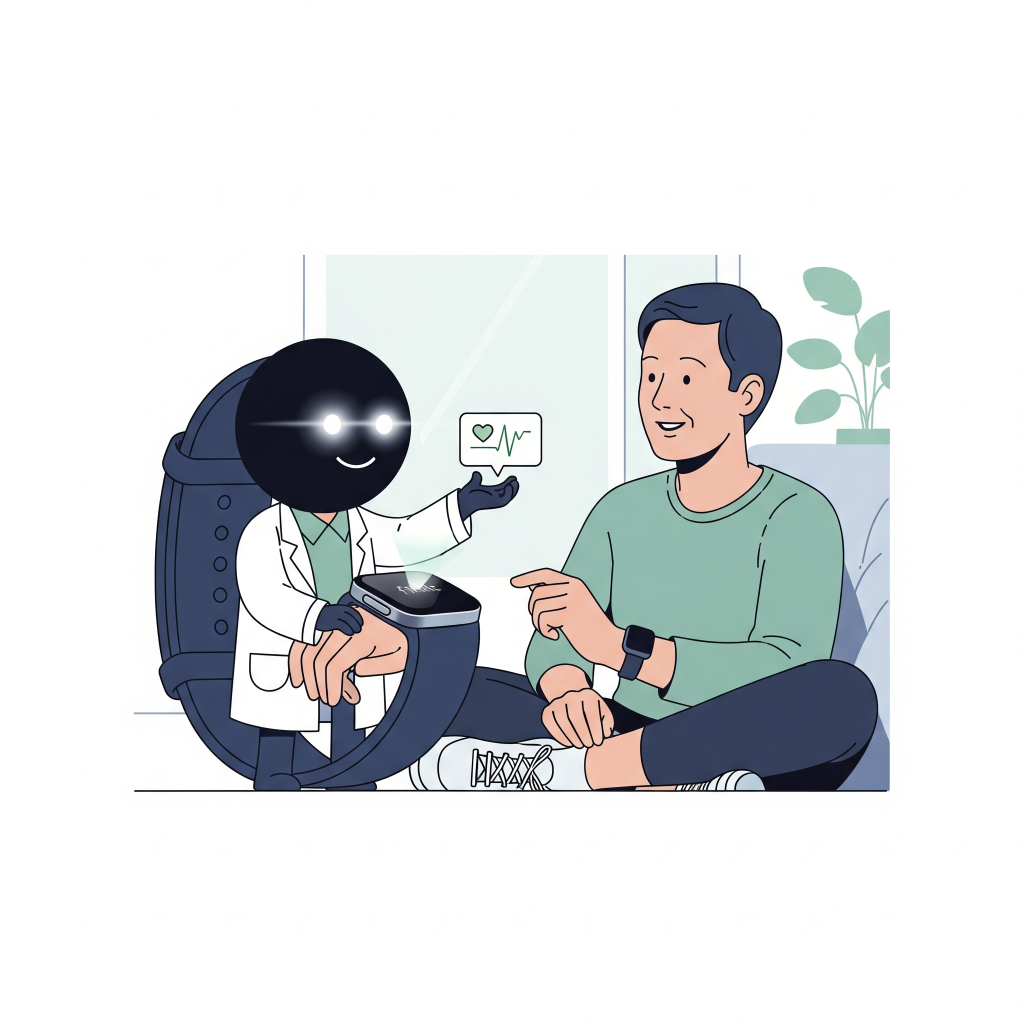
Fitbit started out as a glorified pedometer, tracking your steps and calories. Then it evolved into a fitness tracker, monitoring sleep, heart rate, and stress. Now, thanks to Google’s Gemini AI, your Fitbit may soon act like a pocket-sized health coach—offering customized workout plans, nutrition advice, and even early warnings about lifestyle risks.
The goal is clear: to move beyond tracking and step into interpreting. Instead of “You slept 6 hours,” you might see: “Your deep sleep was low last night. A lighter workout today will help prevent strain.” It’s personalized, data-driven guidance—at scale.
Why This Matters
Think about the gap between medical visits. Most people see their doctor once or twice a year. But your Fitbit is strapped to your wrist 24/7. That means it can catch patterns that no GP ever could—like slow declines in recovery, irregular sleep cycles, or spikes in stress that build up over weeks.
In theory, this is revolutionary. Imagine if wearable tech could:
- Flag early signs of sleep apnea.
- Warn you about stress levels trending toward burnout.
- Suggest evidence-backed recovery plans tailored to your lifestyle.
It’s like having a personal health consultant whispering in your ear all day.
The Trust Problem
But here’s the catch: will people trust a gadget over a doctor?
Doctors aren’t just information providers; they’re interpreters of context. They know your history, your mental state, your social situation. A Fitbit, even armed with Gemini, sees only data points. Can AI bridge that gap without overstepping?
There’s also the matter of privacy. Google promises strong protections, but the idea of handing over intimate health data to a tech giant makes many people uneasy. And when the advice gets serious—say, a suggestion to see a specialist—who’s accountable if it misses the mark?
The Bigger Picture
Google isn’t alone. Apple, Samsung, and even Amazon are racing to turn wearables into health companions. The real battle isn’t just about steps and sleep—it’s about trust, accuracy, and regulation.
If these devices get it right, we could see a world where millions catch health issues earlier, avoid unnecessary stress, and get tailored advice without endless Googling of symptoms. If they get it wrong, we risk a generation of people relying on gadgets for medical decisions without human oversight.
So, Is Fitbit Replacing Your Doctor?
Not quite. At least, not yet. Think of it less as a replacement and more as a sidekick. Your Fitbit could soon give you smarter nudges, better sleep tips, and workouts that actually fit your body’s needs. But when it comes to diagnosis, empathy, and holistic care—your GP isn’t going anywhere.
The real power lies in combining both: doctors making informed decisions with the help of continuous, AI-driven data from wearables. That’s when healthcare truly levels up.
Bottom line: Your Fitbit might not become your doctor, but it’s about to become a lot smarter. The question is—will you listen to it?
Leave a Reply