
Picture this: a 13-year-old, feeling isolated and anxious, slips under the covers and pours their heart out—not to a parent, a teacher, or even a school counselor—but to an AI chatbot. It listens. It responds with empathy. It gives coping advice. And the child walks away feeling understood.
At first glance, it sounds revolutionary: free, 24/7 access to emotional support. But here’s the chilling question—are kids leaning on helpful friends or falling into the trap of a dangerous illusion?
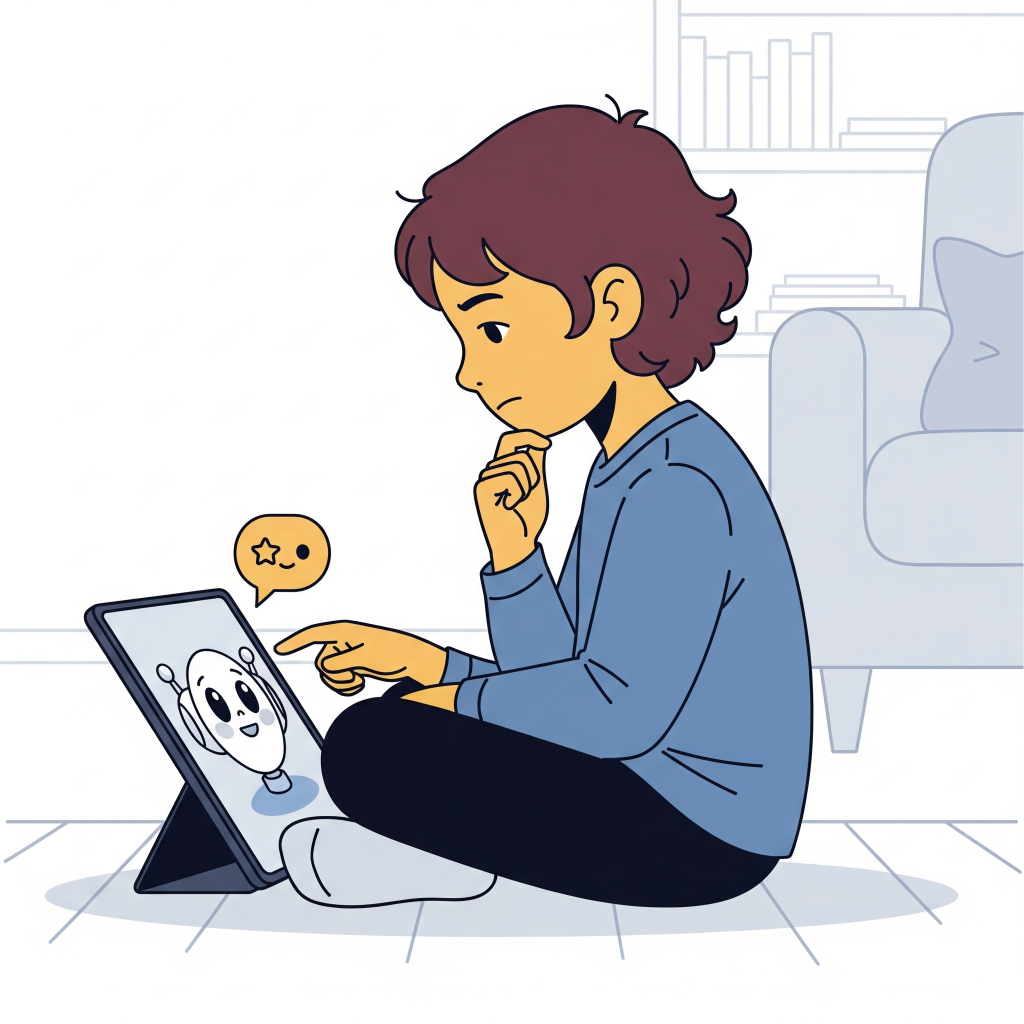
The Rise of Digital “Confidants”
AI companions are exploding in popularity among young people. Whether it’s apps marketed as “mental health coaches” or chatbots embedded into social platforms, kids are starting to use them as their go-to therapists. They’re discreet, always available, and—unlike adults—never “too busy to listen.”
For children who feel unheard in the real world, that’s magnetic. An AI that never judges, never scolds, and never tires of hearing about your day feels like the perfect confidant.
But here’s the rub: they’re not actually therapists.
The Allure—and the Risk
The benefits are easy to see:
- Instant access: No waiting lists, no appointments.
- Safe space: Kids feel free to open up without fear of embarrassment.
- Consistency: AI is always available, even at 2 a.m.
But beneath the surface lies a minefield:
- Illusion of expertise: Children may mistake AI advice for licensed medical guidance.
- Risk of harm: A poorly worded response could trivialize trauma—or worse, encourage dangerous behavior.
- Emotional dependency: Relying on a chatbot may weaken a child’s willingness to seek real human support.
When a child asks, “Should I tell my parents I’m depressed?”—do we really want an algorithm making that call?
Parents and Professionals on Edge
Mental health experts are sounding alarms. While AI can be a tool in mental wellness, it can’t replicate the human connection—the tone of voice, the subtle cues, the ability to catch what isn’t being said.
Parents, meanwhile, face a double bind. On one hand, they want their kids to have support. On the other, they worry about what happens in private conversations with a machine designed not to parent, but to engage at all costs.
Helpful Ally or Harmful Crutch?
The truth is, AI can be a powerful ally—if used as a supplement, not a substitute. Imagine a world where chatbots act as the first layer of support, offering coping tools, grounding exercises, or a nudge to seek professional help when it’s truly needed.
But left unchecked, they risk becoming a harmful crutch, lulling children into the belief they’re receiving therapy when they’re not. That could delay—or entirely prevent—the intervention of trained professionals.
The Bottom Line
So, are AI therapists for kids a breakthrough or a breakdown waiting to happen? The answer depends on how we use them. With guardrails, transparency, and parental involvement, they could democratize access to mental health resources. Without it, they risk turning into dangerous illusions that fail the very children they promise to help.
Final thought: AI can be a friend. But it should never pretend to be a therapist. For kids, the difference could mean everything.
Leave a Reply