
Picture this: you’re wheeled into the operating room. Instead of a surgeon’s steady hand hovering over you, a robotic arm lowers a scalpel—guided not just by human expertise, but by artificial intelligence.
For some, this sounds terrifying. For others, it’s the future of safer, smarter surgery. So, which is it—medical revolution or sci-fi hype?
The Rise of AI in the Operating Room
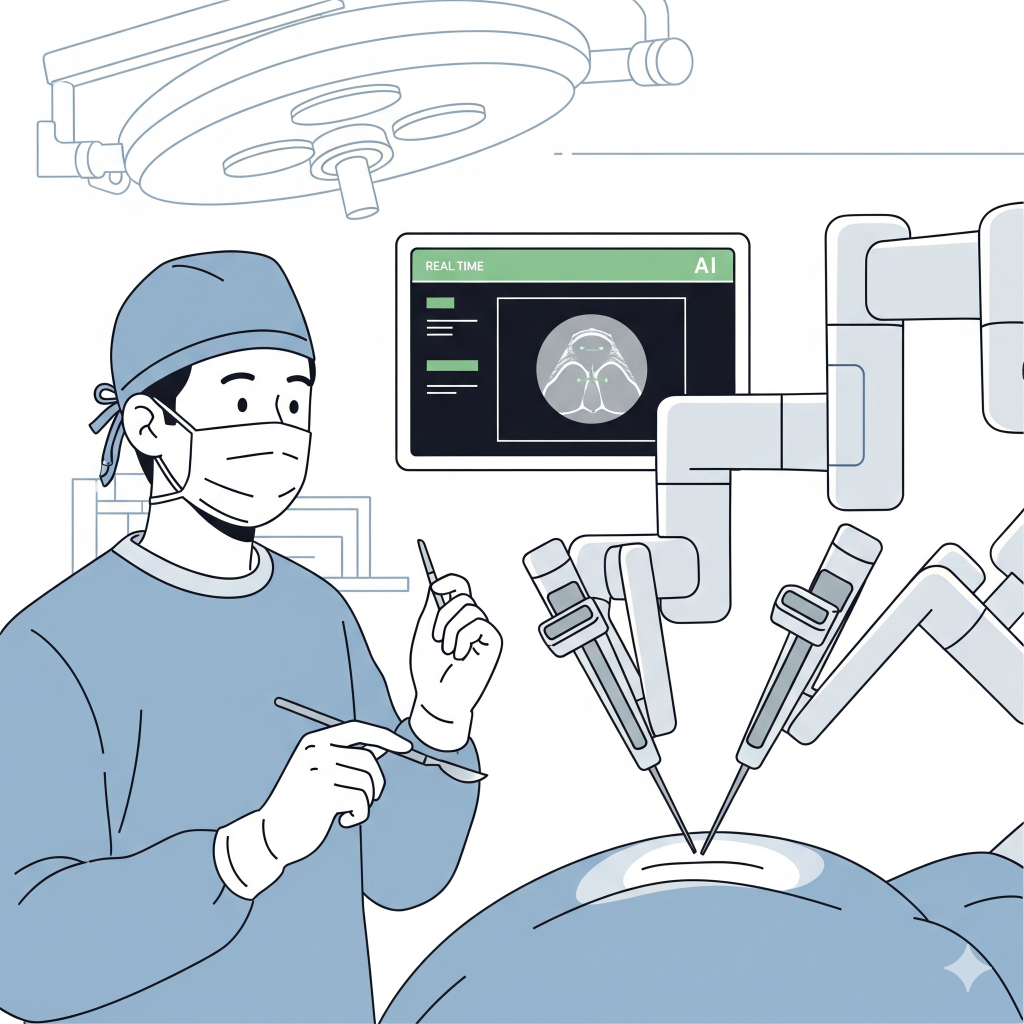
Robotic-assisted surgery isn’t new. Systems like the da Vinci Surgical System have been around for years, allowing surgeons to perform minimally invasive procedures with more precision. What’s changing now is the AI factor.
AI-powered surgical robots can:
- Process real-time imaging to highlight tissue, blood vessels, and tumors.
- Guide precision movements during delicate operations.
- Predict complications before they arise, based on vast datasets of past surgeries.
Instead of simply being tools, these machines are evolving into partners—an extra set of eyes and hands powered by machine learning.
Why Surgeons Are Excited
The promise is huge:
- Reduced error rates: AI can spot anomalies a human eye might miss.
- Smaller incisions: Meaning less blood loss, fewer infections, and quicker recoveries.
- Consistency at scale: An AI doesn’t get tired or distracted.
In complex surgeries—like neurosurgery or cardiac procedures—millimeters matter. A robot that can stabilize tremors or enhance precision could make the difference between life and death.
The Trust Dilemma
But here’s the catch: how much control should we hand over to machines?
Patients trust surgeons because of their judgment, experience, and empathy. An AI system, no matter how advanced, doesn’t shoulder responsibility in the same way. If something goes wrong, who’s accountable—the surgeon, the hospital, or the algorithm?
There’s also the fear factor. Many people are uneasy with the idea of a machine cutting them open, even if a human is still supervising. The phrase “robot with a scalpel” alone is enough to spark unease.
The Regulation Question
Unlike drugs or medical devices, AI algorithms can change constantly as they learn. Regulators are scrambling to figure out how to oversee software that evolves. Is the version that passed safety trials the same one performing your surgery six months later? That uncertainty makes oversight tricky.
Hype vs. Reality
The truth is, today’s surgical robots are assistants, not replacements. They don’t operate solo. Instead, they enhance human skill—helping surgeons see clearer, move steadier, and react faster. The sci-fi fantasy of a fully autonomous robot surgeon is still years, maybe decades, away.
But make no mistake: the trajectory is clear. Each new generation of surgical AI takes on a little more responsibility, leaving us to wrestle with the big ethical question—where should the line be drawn?
The Bottom Line
So, are robots with scalpels safer or just hype? The answer is both. The technology already saves lives, reduces complications, and speeds recovery. But it also raises tough questions about accountability, trust, and the limits of machine autonomy in medicine.
Final thought: In the operating room of the future, the best outcomes may come not from humans or robots alone, but from the delicate choreography of both.
Leave a Reply